
Providing the finest Billiard Tables and the Best Possible Service
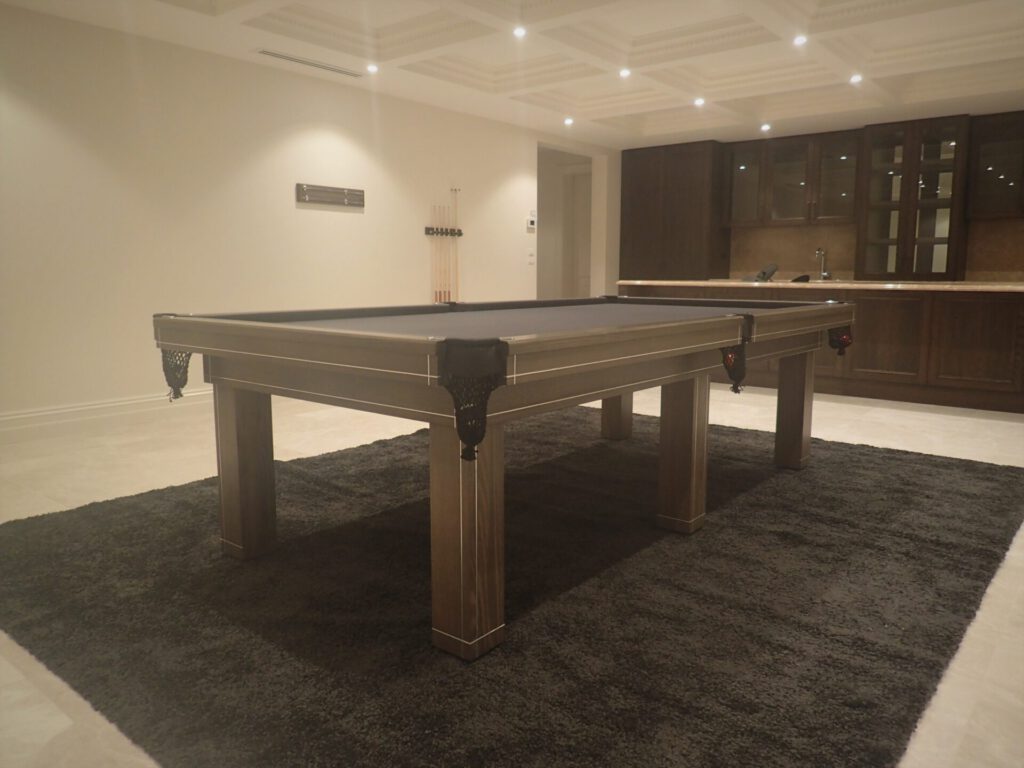
Antique Alcock & Co Duke of Edinburgh Model full-size billiard table
2019 World Billiards Championship Player Interviews
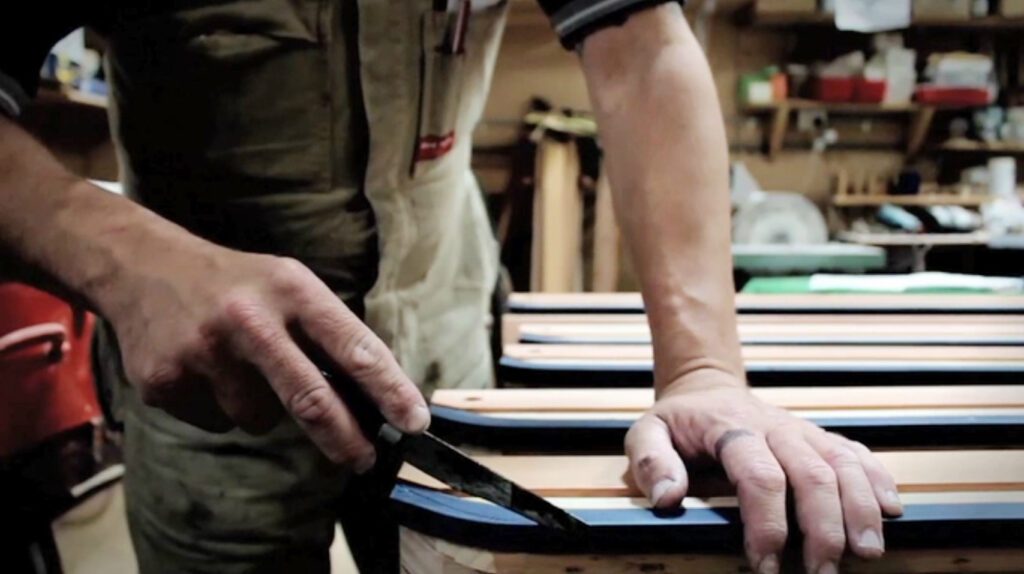
Alcocks Table making
Latest News
- Henselite Lawn Bowls Testing
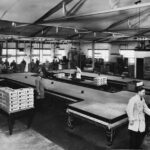 Alcocks has supported Henselite, manufacturer of the world’s #1 Lawn Bowls, for over 100 years. The original Henselite factory in North Melbourne (pictured) contained two lawn bowls test beds, each comprising four Alcock full-size billiard tables. As the Henselite factory moved further from the city, Alcocks has twice relocated these tables to the new factory,… Read more: Henselite Lawn Bowls Testing
 - SHOWROOM DISRUPTION – JUNE
 Visitors to Alcocks Malvern East showroom during June can expect to encounter some minor inconvenience. Our Clayton factory is having the roof replaced during June to remove asbestos in the roof lining. We will be doing as much on-site work as possible during that period and setting up a mini workshop in our showroom. The… Read more: SHOWROOM DISRUPTION – JUNE
 - Dame Nellie Melba’s billiard table
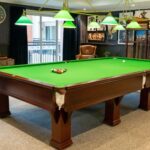 Dame Nellie Melba’s own Alcock & Co billiard table was recently restored by Alcocks, and relocated from her Coldstream house Coombe Cottage to the Ryman Healthcare Nellie Melba retirement village in Wheeler’s Hill. Story by Alan Raskall, Nine News Melbourne 19th August 2022.
 - No Job Too Hard
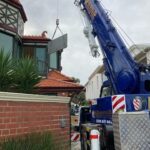 Alcocks install and remove billiard tables from even the trickiest locations. We recently used mobile cranes to install two billiard tables into upper storey locations where stair access was impossible. Our thanks to the skilled professionals at Rigweld Crane Hire Moorabbin https://rigweld.com.au/ who made this possible. Conditions apply.